Owning a Second Home in The Concession
A second home in The Concession works best with a plan for the months you are away: a local person with a key, a maintenance routine, an insurance policy whose occupancy terms you have read, a storm plan, and a clear understanding of club and association rules. Property taxes differ too, because a non-homestead property has no homestead exemption and a different assessment cap.
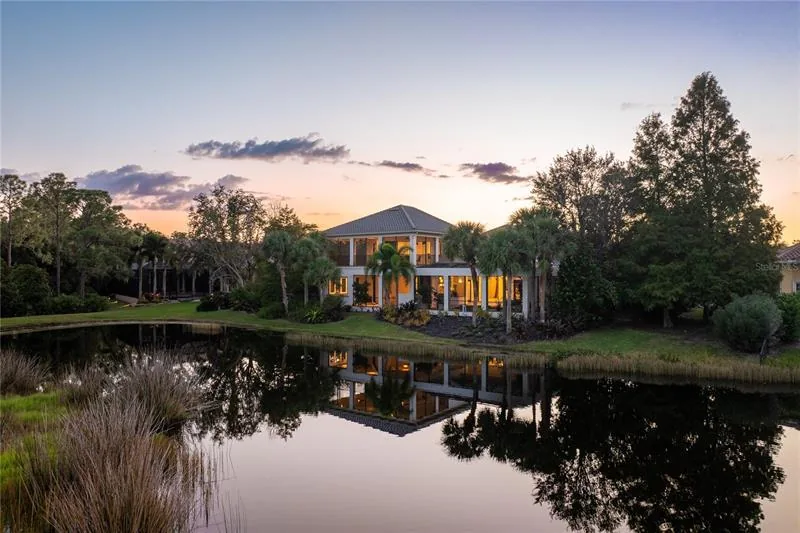
The best second homes are the ones that behave like a first home when you are not there. Water is off or monitored, the air conditioning is set, someone has a key, the mail is handled and the storm plan exists on paper. This page is about that gap between the day you leave and the day you return, and about the Florida rules that treat a part-time home differently from a permanent one: property tax treatment, insurance terms, domicile and association rules. It does not assume anything about why you are buying or how often you will come. It describes mechanics.
What does lock-and-leave actually require?
A gated community removes some chores, such as exterior lawn care in many cases, but it does not remove the need for a responsible local contact. Start by deciding who is the first call when something goes wrong, and who is the second.
A realistic setup includes:
- A keyholder. One person or firm with a key, the alarm code and the gate credentials, and written authority to let in vendors. Check how the community handles guest and vendor access with the gated entry page, and ask the association how a manager or caretaker is registered.
- A routine. A written schedule for visits, such as walking the interior, running water at fixtures, checking ceilings, looking at the air-conditioning drain line and the thermostat, and photographing what was found. A property insurer's educational material on vacant homes recommends a monthly maintenance checklist, a local handyman or property manager for owners who live far away, and condition reports from contractors, and it names undetected water damage as a leading risk of extended vacancy.
- Vendors under standing instructions. Pool service, lawn care and pest control on regular visits, with written confirmation of what was done.
- Mail and deliveries. A forwarding plan for physical mail and a rule about packages.
- A shutoff plan. Know where the main water valve is, who may close it and whether a leak sensor or automatic shutoff is installed.
- A visible record. A shared folder with the insurance policy, the wind mitigation form, warranties, equipment manuals and vendor contacts.
Pick the model that fits the house and the owner's travel pattern. A home watch firm, a property manager, a trusted neighbor and a general contractor on retainer each play a different role. Ask each candidate what they will actually do on a visit, how they report it and what they do in an emergency. If a manager will receive rent, collect funds or negotiate leases for you, that is a more regulated activity than watching a house, and Florida's real estate licensing rules may apply, so ask for the license number and verify it with the state.
How is insurance different for a home that is empty part of the year?
Insurance is where seasonal owners most often find a difference from what they expected. Several points are worth establishing with an agent before you close, not afterward.
- Occupancy terms. Carriers can treat a home that is occupied, unoccupied or vacant differently, and policies define those words in their own way. The same insurer education page distinguishes standard homeowners coverage from coverage designed for properties that sit empty for weeks or months, so ask whether your intended pattern fits the policy you are being quoted or needs a different form. No time threshold is universal.
- Conditions of coverage. Ask whether the policy requires periodic inspections, water shutoff, alarm monitoring or other steps while you are away, and what happens to a claim if they were not done.
- Water damage. Ask how the policy treats a leak that runs for days before it is found.
- Flood. The flood disclosure a Florida seller must provide tells buyers that standard homeowners policies do not cover flood damage and encourages them to ask an agent about separate flood coverage. A lakefront or low-lying lot may deserve extra attention; see the flood zones page.
- Wind. The wind mitigation inspection and form influence the windstorm part of the premium. A form stays valid for up to five years if the structure has not changed. The inspection guide explains how to get one.
- Contents and liability. Ask how contents, collectibles and guest liability are covered, and who is named on the policy.
Quotes for a second home can look different from quotes for a primary residence. The homeowners insurance page covers how Florida pricing works in general. Do not use a verbal answer in place of the policy language. Request the declarations page and endorsements in writing, and ask again after any change in how you use the house.
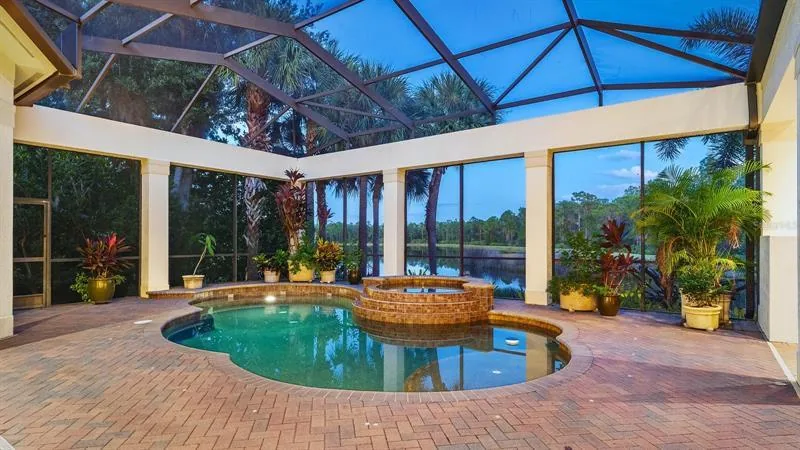
What should the storm plan say when you are not there?
Hurricane season runs June 1 through November 30, and many owners are away for much of it. A written plan prevents the situation in which a storm is forecast and nobody is authorized to act.
The plan should answer these questions:
- Who decides to put shutters or panels up, who does it and who takes them down? Check the community's rules on when protection may be installed.
- What is brought inside or secured on the lanai, in the yard and by the pool?
- Who shuts off or adjusts equipment, such as irrigation, pool pumps and the main water supply?
- Who inspects the house after the storm, how soon, and who do they report to?
- Which documents are in the cloud and which are on paper?
The Florida Department of Financial Services recommends keeping copies of insurance policies and a household inventory in a waterproof, fireproof container, recording belongings with photos, videos, receipts, purchase dates and serial numbers, and noting your insurer's claims telephone number, which may differ from your agent's. It also lists covering windows with shutters or plywood before a storm. For an absent owner, a dated photo inventory taken at the start of each season is the most useful item on that list. See the hurricane preparedness page for more.
How is a second home taxed differently from a primary home?
Florida property tax treats the two very differently. The Manatee County Property Appraiser sets out the homestead rule: you must own the home and live in it as your permanent residence as of January 1, and renting out the primary residence on that date forfeits the exemption. A home you use part of the year, while keeping your permanent home elsewhere, does not qualify. That means no homestead exemption and no Save Our Homes cap, which holds growth in assessed value to the lesser of 3 percent or inflation.
The property is instead assessed as non-homestead property. Under the cap that applies today, annual growth in the assessed value of the non-homestead portion is held to 10 percent, starting from a base year tied to the first January 1 of ownership. The Property Appraiser notes that improvements are assessed at full market value in their first year, that the cap does not apply to school taxes, and that a change in ownership can shift the base year. Manatee County also warns that taxes may rise after a purchase because the assessed value resets to market value. Put differently, the previous owner's tax bill is a poor guide to yours.
What changed in November 2026
On November 3, 2026, Florida voters approved Amendment 3. News coverage reports that the cap on annual assessment increases for non-homestead property, including second homes and rentals, drops from 10 percent to 5 percent starting January 1, 2027. The Pinellas County Property Appraiser's pre-vote summary adds that the cap applies to non-school taxes and that school taxes would remain uncapped. The amendment also enlarges the homestead exemption, but that exemption is for permanent residents and does not reach a second home. The property taxes and homestead page has more detail, and the relocation page covers the new-resident rules. Confirm how the changes are being implemented with the Manatee County Property Appraiser.
Two practical consequences follow. First, estimate taxes for a second home on a market-value basis, not on the seller's bill. Second, a tax estimate should be based on the Property Appraiser's data and your own numbers, not a listing's figure.
What if your permanent home is in another state?
Owning a second home in Florida does not make you a Florida resident, and Florida's declaration of domicile statute recognizes that. Section 222.17 allows a person domiciled in another state who has a Florida place of abode, or who has done things in Florida that might suggest Florida domicile, to file a sworn declaration stating that their domicile remains in the other state. The declaration names the state, states the intention to keep that domicile permanently and identifies the Florida abode. It is recorded by the clerk of the circuit court and is one way to evidence your position, not the only one.
Your home state has its own rules on residency, and some states count days. A state such as New York, for instance, can treat someone domiciled elsewhere as a resident if they keep a permanent place of abode there and spend more than 183 days in the state, as described on the relocation page. If you intend to remain a resident of another state, keep a record of where you spend your days. Anyone who plans to move permanently should read that page instead.
What do you need to know about the club and the association?
Two separate relationships govern daily life in a golf community: the association, which handles covenants, common areas and assessments, and the golf club, which handles golf and dining. Published reporting has described the club and the residential development as separate ventures, and it has described a mix of membership types, including members who live elsewhere, though that reporting dates from 2015 and the club's current categories may differ. Ask the membership office what categories exist today, whether a seasonal or non-resident option is available, whether there is a waiting list and what the current fees are, and request the answer in writing with a date. The membership page and the golf club page describe what is publicly stated.
Ask the association different questions:
- Are there rules about leasing, minimum terms or occupancy by guests when the owner is absent? Nothing here has been confirmed for this community, so get the covenants and rules in writing before you plan to rent the house.
- How are caretakers, vendors and guests registered at the gate?
- What are the current assessments, and when are they billed? The HOA fees page explains how to read them.
- Are there rules about exterior changes, hurricane protection, vehicles or golf carts?
Seasonal owners should not rely on informal understandings. If a neighbor says renting is allowed or banned, treat that as a prompt to read the covenant.
Which costs does a seasonal owner often forget?
Costs that run all year even if the house is lived in for a few months are the ones that surprise new owners. Keep a short list and price each with a written quote.
- Pool service, lawn care and pest control.
- Utilities and internet, which continue with a minimum even when the house is empty. See the utilities page.
- A caretaker or property manager.
- Insurance, including flood where it applies.
- Association assessments and any club dues.
- Air-conditioning maintenance, since a house left without cooling can develop moisture problems in Florida's climate.
- Property tax on a non-homestead basis.
The full set of recurring costs is on the cost of ownership page.
Should you rent the house when you are away?
Many second-home buyers wonder about renting. Do not buy on the assumption that it is allowed. Whether leasing is permitted, for how long, with what approvals and fees, is a matter for the recorded covenants and association rules, and it was not confirmed for The Concession in preparing this page. A rental also changes insurance, because the carrier must know about it, changes property tax treatment, since renting a homesteaded residence on January 1 forfeits the exemption, and may bring licensing questions if a manager handles the money. Ask first, in writing, and keep the answer with your closing documents.
What should a first-season handover look like?
The first season sets the pattern for the years that follow, so treat the first departure as a rehearsal. Before you leave, walk the house with the caretaker and test the things that will matter in an emergency: the main water valve, the electrical panel, the alarm and its call list, the garage and gate credentials, the pool equipment shutoff and the air-conditioning thermostat settings. Photograph each of them with the date. Leave a one-page sheet that lists every vendor, the insurance agent, the claims number, the association contact and your own travel dates, and give the caretaker a way to reach you.
On the first visit after you arrive back, compare what you find against the last set of photographs. Note anything that changed, ask the caretaker for their log, and adjust the routine. After the first year you will know which items need a closer eye and which can be checked less often.
A seasonal owner's pre-closing checklist
- Read the occupancy and vacancy language in the insurance quote.
- Request the covenants, rules and the current assessment schedule.
- Ask the club for membership categories and dates.
- Choose a caretaker and agree on a written scope.
- Build a storm plan with names and numbers.
- Estimate taxes on a non-homestead basis using the Property Appraiser's data.
- Decide whether to file a declaration of domicile for your home state.
- Photograph and inventory the house at closing.
If the house is financed, tell the lender it is a second home, as the financing page explains. Then walk the plan with the caretaker once, on site, before you leave for the first time.
Questions people ask
Can I claim homestead on a second home in Florida?
No. Homestead applies to a home you own and make your permanent residence as of January 1, and the Manatee County Property Appraiser says renting the primary residence on that date forfeits it. A second or seasonal home is assessed as non-homestead property, which has no homestead exemption and is subject to a different cap on assessment growth.
Is there a cap on property tax increases for a second home?
Current Florida law caps annual growth in assessed value for most non-homestead property at 10 percent, though not for school taxes. A constitutional amendment approved in November 2026 lowers that cap to 5 percent for non-school taxes starting January 1, 2027. A sale generally resets the starting point, and new improvements are assessed at full value.
What insurance issues come with a home that sits empty?
Carriers can treat a home that is unoccupied or vacant for a long period differently from an occupied one, and the terms vary by policy. Ask your agent how the policy defines occupancy, whether there are inspection or water shut-off conditions, and how flood coverage works, since flood is covered separately. Read the endorsements, not only the summary.
Do I need a property manager for a seasonal home?
Florida law does not require a manager for an owner's own home, but absent owners usually want a local person to check the house, receive deliveries, meet vendors and handle storm preparation. That could be a company, a home watch service, a neighbor or a trusted contractor. Ask what they will do, how often and how they document it.
Does club membership come with a seasonal home?
Not automatically. The golf club and the real estate have been described as separate ventures, so membership terms, seasonal or non-resident categories and any waiting list are matters for the club's membership office. Ask for the current categories and fees in writing before you buy, and treat any figure without a date as unconfirmed.
Sources checked
- Exemptions and Save Our Homes (Manatee County Property Appraiser)
- 10 percent assessment cap (Manatee County Property Appraiser)
- Proposed Amendment 3 at a glance (Pinellas County Property Appraiser)
- Florida Amendment 3: voters pass property tax caps (FOX 35 Orlando, November 2026)
- Florida Statutes 222.17, declaration of domicile (Florida Senate)
- Florida Statutes 689.302, flood disclosure (Florida Senate)
- Disaster preparation checklist (Florida Department of Financial Services)
- Hurricane season and wind mitigation resources (Florida Office of Insurance Regulation)
- Keeping a vacant property safe and secure (American Integrity Insurance)
- Club and Resort Business, profile of The Concession Golf Club (February 2015)
Want to see The Concession in person?
A private tour takes about an hour and covers the community, the lots and the homes that fit what you are looking for.